
Losing weight with medication is rarely a straight line. You might notice changes in your appetite within the first few weeks, see gradual progress over the next few months, or experience periods when the scale barely moves.
If you’re considering tirzepatide, one of the first questions you probably have is simple: How much weight can you lose with tirzepatide, and how long does it take?
The answer depends on several factors, including your starting weight, prescribed dose, response to treatment, nutrition, physical activity, and overall health.
Clinical research has shown substantial average weight loss with tirzepatide over time. However, those results developed over many months, not overnight. Understanding the tirzepatide weight loss timeline can help you set realistic expectations and recognize progress beyond the number on the scale.
What Is Tirzepatide, and How Does It Help With Weight Loss?
Tirzepatide is a medication that activates two hormone receptors involved in blood sugar regulation and appetite: GIP and GLP-1.
It can help regulate appetite, increase feelings of fullness, and reduce food intake. It also slows stomach emptying, particularly early in treatment.
In the United States, tirzepatide is available under different brand names for specific approved uses. Zepbound is approved for chronic weight management in eligible adults, alongside a reduced-calorie diet and increased physical activity. Mounjaro is approved for certain adults with type 2 diabetes to improve blood sugar control.
Tirzepatide is not appropriate for everyone, and eligibility depends on your medical history and individual circumstances.
How Much Weight Can You Lose With Tirzepatide?
Clinical trials provide a useful starting point for understanding potential tirzepatide weight loss results.
In the 72-week SURMOUNT-1 clinical trial, adults with obesity or overweight and at least one weight-related condition, without diabetes, lost an average of approximately:
- 15% of body weight with the 5 mg dose.
- 19.5% of body weight with the 10 mg dose.
- 20.9% of body weight with the 15 mg dose.
Participants also received lifestyle counseling. These figures represent average results under clinical trial conditions, not a guarantee for an individual patient.
For example, a person starting at 200 pounds would lose approximately 30–42 pounds if they achieved a 15–21% reduction. Actual results can be lower or higher.
You can review the published study in the New England Journal of Medicine: Tirzepatide Once Weekly for the Treatment of Obesity.
The important point is that substantial weight loss generally takes time. Your first few weeks may look very different from your progress after six months or a year.
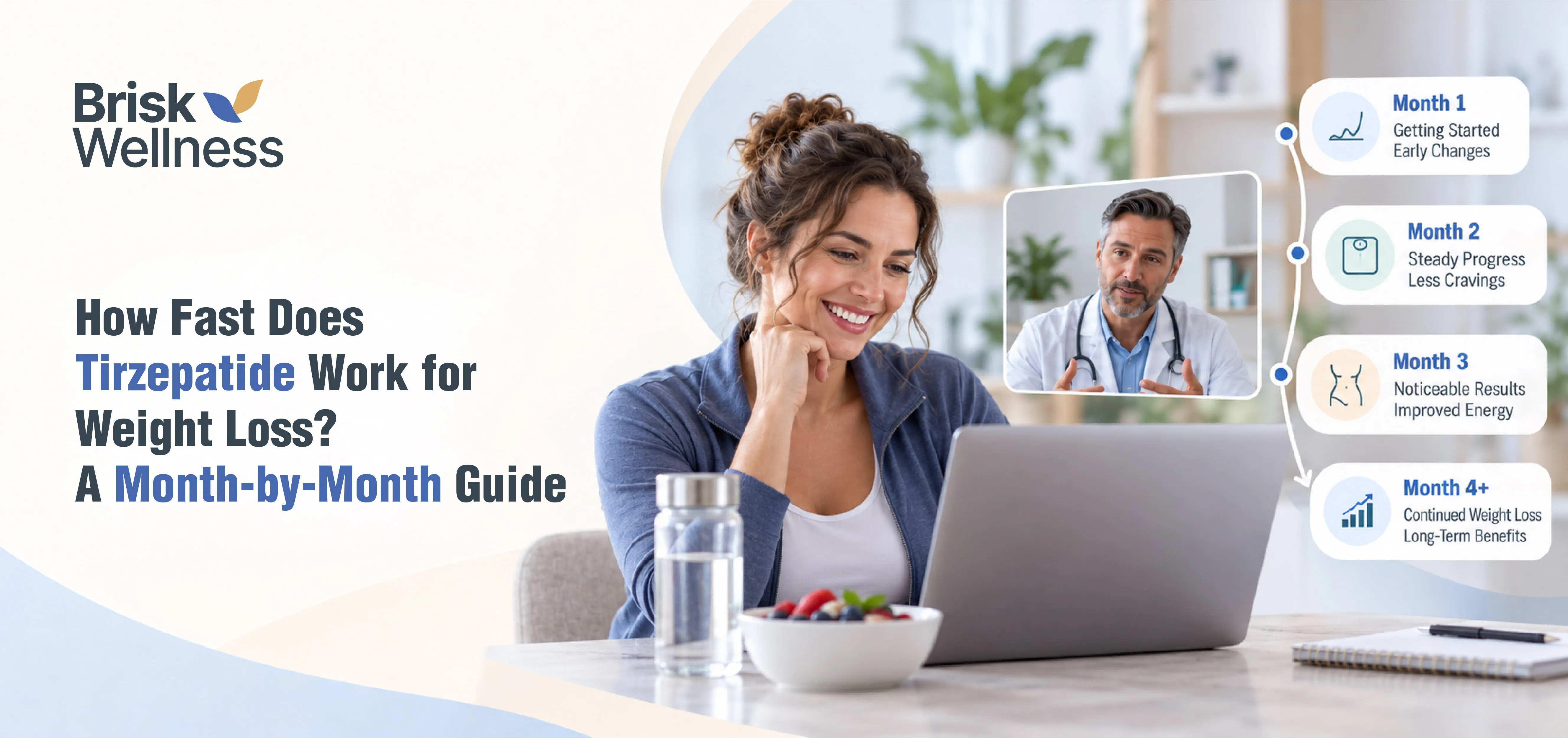
Tirzepatide Weight Loss Timeline: What to Expect Month by Month
There is no universal schedule for weight loss with tirzepatide. The following timeline describes common treatment stages rather than promising a specific amount of weight loss each month.
Month 1: Adjusting to Treatment
The first month is often about learning how your body responds.
Treatment typically starts at a low dose, which helps reduce the likelihood of gastrointestinal side effects. Your appetite may change, you may feel full sooner, or you may find yourself thinking about food less often.
However, not everyone experiences a dramatic change immediately. Some people notice early weight loss, while others see only a small difference.
During this stage:
- Follow the prescribed dosing schedule.
- Eat balanced meals with adequate protein and nutrients.
- Drink enough fluids.
- Monitor nausea, constipation, diarrhea, or other symptoms.
- Track more than just your weight, including appetite and energy levels.
What matters most: Give your body time to adjust rather than judging treatment by your first few weigh-ins.
Month 2: Finding a Sustainable Routine
By the second month, some people begin noticing more consistent changes in appetite and eating habits. Others may still be adjusting to treatment.
Your clinician may consider increasing the dose according to the prescribing schedule, your response, and your tolerance. Dose increases should never be rushed simply to accelerate weight loss.
You may find it easier to manage portion sizes or feel satisfied with smaller meals. These changes can support a calorie deficit, but adequate nutrition remains essential.
What matters most: Focus on sustainable eating habits, hydration, movement, and tolerability instead of chasing rapid results.
Month 3: Looking Beyond the Scale
By the third month, you may have a clearer picture of how your body responds to treatment.
Some people experience noticeable weight loss by this point. Others lose weight more gradually, particularly if they are still adjusting their dose or managing side effects.
Instead of relying on a single weigh-in, look at your overall trend. Changes in waist circumference, clothing fit, appetite, and other health measures may also help you assess progress.
If your weight has barely changed, discuss it with your healthcare provider before making assumptions about treatment failure. They can review your dose, adherence, nutrition, medications, and other possible factors.
What matters most: Assess the trend over several weeks, not individual days.
Months 4–6: Building Momentum
For some patients, weight loss becomes more noticeable over these months as treatment and lifestyle habits become more established.
Others may experience slower progress or temporary plateaus. Weight loss is influenced by many factors, including sleep, stress, activity, underlying health conditions, and the body's adaptation to a lower body weight.
Your provider may review your progress and determine whether your current treatment plan remains appropriate. The right dose is the one selected for your medical needs and tolerability—not necessarily the highest available dose.
Helpful habits during this stage include:
- Eating nutrient-dense meals with sufficient protein.
- Including resistance training and other physical activity as appropriate.
- Maintaining regular sleep routines.
- Monitoring side effects and staying in contact with your clinician.
- Reviewing progress using consistent measurements.
What matters most: Sustainable progress is more valuable than rapid weight loss that is difficult to maintain.
Beyond 6 Months: Long-Term Weight Management
Clinical trials demonstrate that weight loss can continue over many months. The SURMOUNT-1 results, for example, were measured at 72 weeks—not after just a few months.
Weight loss may eventually slow or plateau. This does not automatically mean the medication has stopped working. As body weight decreases, your energy needs may also change.
Long-term treatment should include ongoing medical follow-up, nutritional support, and a plan for maintaining progress. Stopping treatment may lead to weight regain for some people, so decisions about continuing or discontinuing medication should be discussed with your healthcare provider.
What matters most: Think of treatment as part of a long-term weight-management plan, not a short-term race.
Tirzepatide vs. Semaglutide for Weight Loss
Both tirzepatide and semaglutide act on GLP-1 pathways, but they are not the same medication.
Tirzepatide activates both GIP and GLP-1 receptors. Semaglutide activates the GLP-1 receptor.
In separate clinical trials, semaglutide 2.4 mg produced an average weight reduction of approximately 14.9% at 68 weeks in the STEP 1 trial, while tirzepatide produced average reductions of approximately 15–21% at 72 weeks in SURMOUNT-1, depending on dose.
These results should not be treated as a direct comparison because the trials differed in design and other characteristics. A separate head-to-head trial, SURMOUNT-5, also found greater average weight loss with tirzepatide than with semaglutide in adults with obesity without diabetes.
Neither medication is automatically the best choice for everyone. Your medical history, treatment goals, contraindications, side-effect profile, availability, and clinician's assessment all matter.
What Affects Your Tirzepatide Weight Loss Results?
Two people taking the same medication may experience different results. Several factors can influence your tirzepatide weight loss timeline.
Starting weight and health history: Your baseline weight, metabolic health, and other medical conditions can affect your response.
Dose and treatment duration: Tirzepatide is started at a low dose and adjusted gradually when appropriate. Results depend partly on how long you have been treated and which dose is suitable for you.
Nutrition: Eating too little can leave you short of essential nutrients, while inconsistent eating habits may make progress harder to assess. Prioritize balanced meals rather than extreme restriction.
Physical activity: Walking, resistance training, and other suitable activities can support overall health and help preserve muscle during weight loss.
Sleep and stress: Poor sleep and ongoing stress can influence appetite, routines, and general well-being.
Medication tolerance and consistency: Side effects may affect how well you tolerate treatment. Missed doses or changes to your treatment schedule should be discussed with your prescriber.
Other medications or medical conditions: Some conditions and medications can influence weight and treatment response.
If progress is slower than expected, your provider can help determine whether adjustments to your overall care plan are appropriate.
What Are the Side Effects and Risks of Tirzepatide?
Tirzepatide can cause side effects, particularly involving the digestive system. Common effects include nausea, diarrhea, vomiting, constipation, abdominal discomfort, and reduced appetite.
More serious risks can include pancreatitis, gallbladder problems, dehydration-related kidney problems, and severe gastrointestinal reactions. Tirzepatide also carries an FDA boxed warning regarding thyroid C-cell tumors observed in rodents. Its risk in humans is unknown.
Tirzepatide should not be used by people with a personal or family history of medullary thyroid carcinoma or by people with Multiple Endocrine Neoplasia syndrome type 2 (MEN2). It is also not intended for use during pregnancy for weight loss.
Seek prompt medical attention for severe or persistent abdominal pain, especially if it spreads to the back, or for other concerning symptoms.
Only use medication prescribed through an appropriate healthcare provider and obtained from a legitimate source. Compounded tirzepatide is not FDA-approved and is not the same as an FDA-approved generic. Compounded products may carry additional risks, and they should not be assumed to be interchangeable with approved medications.
Is an Online Weight Loss Program a Good Option?
An online weight loss program can make care more convenient for people who qualify for treatment and prefer virtual appointments. However, online access should not mean less medical oversight.
Look for a program that includes:
- An individualized medical assessment and review of your health history.
- A licensed clinician who determines whether treatment is appropriate.
- Clear information about medication, risks, and expected follow-up.
- Support for nutrition, physical activity, and long-term weight management.
- A reliable process for monitoring side effects and addressing concerns.
At Brisk Wellness, eligible patients can explore personalized weight-management care and discuss their goals with a healthcare provider. Treatment decisions should always be based on clinical suitability rather than a promised number of pounds lost.
If you are considering tirzepatide, get in touch with Brisk Wellness to learn about available care options and whether a medically supervised approach may be appropriate for you.
Frequently Asked Questions
1. How much weight can you lose with tirzepatide in one month?
Weight loss varies considerably. Some people notice early changes in appetite and weight, while others see little change during the first month. Clinical trial averages reflect results over many months, not a guaranteed monthly amount.
2. How long does tirzepatide take to work for weight loss?
Some people notice appetite changes within the first few weeks. Meaningful weight changes may take longer, and the amount lost depends on individual response, dose adjustments, lifestyle, and treatment duration.
3. Is tirzepatide more effective than semaglutide for weight loss?
A head-to-head clinical trial found greater average weight loss with tirzepatide than with semaglutide in adults with obesity without diabetes. However, the best option for an individual depends on medical history, treatment suitability, side effects, and clinician guidance.
4. What should I do if I am not losing weight on tirzepatide?
Discuss your progress with your healthcare provider. They can review your treatment duration, dose, nutrition, adherence, other medications, and health conditions. Do not increase your dose or change your schedule on your own.
5. Will I regain weight after stopping tirzepatide?
Weight regain is possible after stopping tirzepatide. Clinical evidence shows that some people regain a substantial portion of lost weight after discontinuing treatment. Discuss a long-term maintenance plan with your healthcare provider before stopping.